Accessibility Options

Specialist Post Polio Syndrome Treatment at PhysioFunction

Expert Rehabilitation for Post Polio Syndrome (PPS)

At PhysioFunction, we provide specialist Post Polio Syndrome (PPS) physiotherapy and occupational therapy designed to help you manage symptoms, reduce fatigue, and maintain independence.

Post Polio Syndrome can cause muscle weakness, pain, and fatigue many years after the initial polio infection. Our experienced neurological clinical team delivers personalised rehabilitation programmes to support your long-term health and quality of life.

Our PPS rehabilitation programmes are tailored to your individual needs, focusing on safe, effective exercise and symptom management.

Some examples of the Post polio therapy you may receive include:

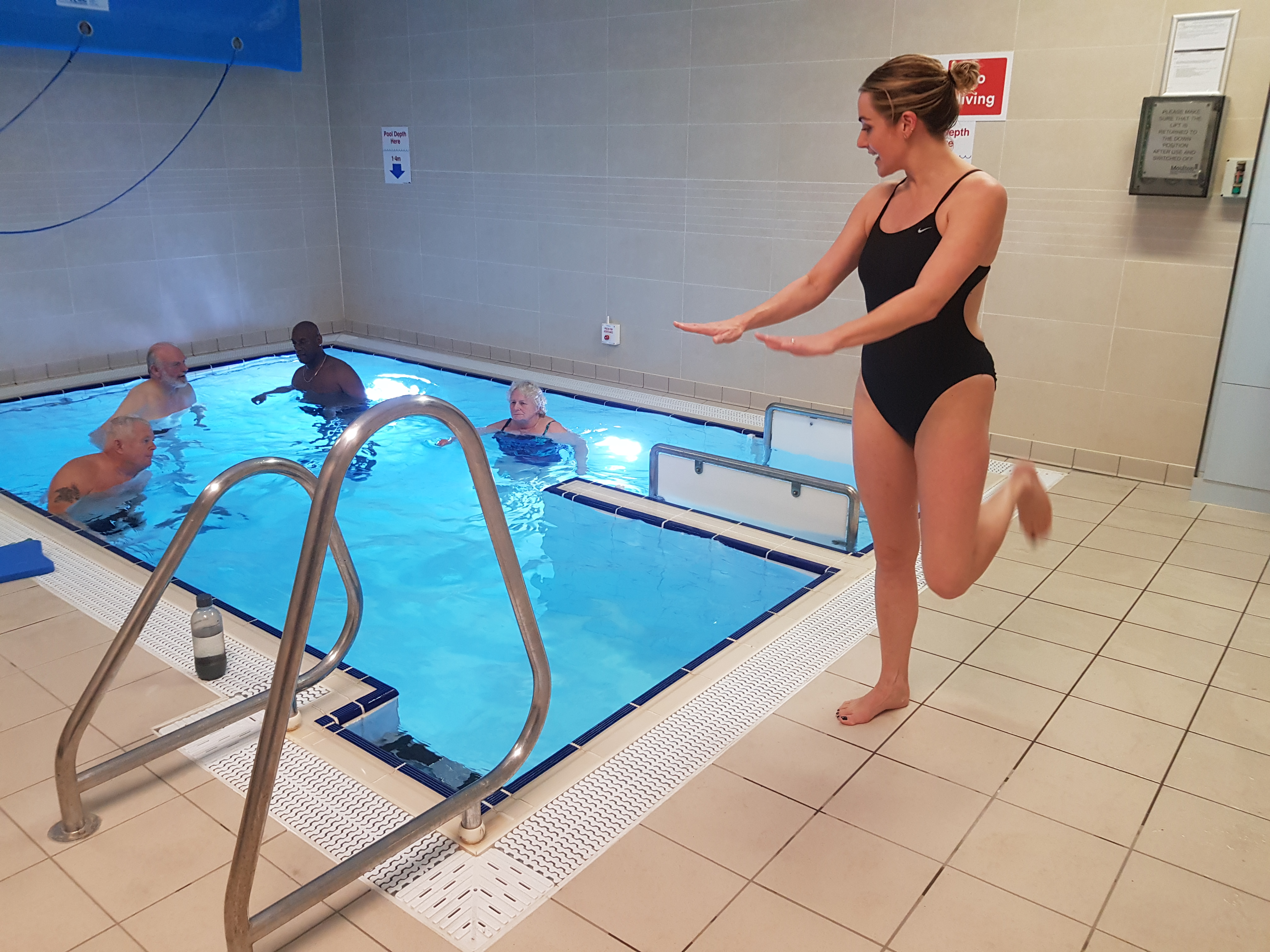
  • Hydrotherapy/Aquatic Physiotherapy - Many clients have benefitted from the warm and supportive environment of the hydrotherapy pool for functional and specific exercise. This can be either through 1:1 sessions with your Physiotherapist, or through the Post Polio Syndrome group which you can enquire about through the Northampton Branch of the British Polio Fellowship.
  • Neurological Physiotherapy, Neck, Joint, soft tissue, back and body physio physiotherapy - This can include manual therapy such as joint mobilisation, massage and manipulation, taping, acupuncture and pain relief modalities.
  • Exercise Therapy – providing support and guidance for strength and cardiovascular fitness
  • Soft Tissue therapy to reduce pain and stiffness
  • Fatigue Management Strategies to balance exercise and rest effectively
  • AlterG - Our anti-gravity treadmill offers support of up to 80% weight relief for both standing, balance training and walking activities. The weight relief often allows clients to walk and stand with minimal support of the arms thus allowing development of postural muscles in standing and reducing the overuse and strain on the upper body. Clients are able to walk and stand for significantly longer, without the levels of fatigue and pain.
  • Occupational Therapy to improve daily living skills including the use of assistive devices and modifications of home environments.
  • Balance and mobility training to improve stability and confidence.
  • Group exercise and TeleRehab - PhysioFunction provide a weekly exercise group via our TeleRehab service on Zoom. Clients can take part in the comfort of their home and will be advised on equipment which can be used to enhance the programme.

We also utilise other advanced rehabilitation technologies such as LitegaitGMove and Gripable to enhance recovery and function.

If you are interested in our Post Polio Syndrome group classes please either contact the Northampton Branch of the British Polio Fellowship or PhysioFunction for more information.

 image

Hydrotherapy For Post Polio Syndrome

Hydrotherapy is one of the most effective treatments for individuals with PPS.

Since PPS often comes with muscle weakness, fatigue, joint pain, and sometimes difficulty moving, hydrotherapy provides a supportive, low-impact way to stay active.

Benefits include:

  • Reduced Load on Weak Muscles & Joints
  • Improved mobility and flexibility
  • Enhanced balance and coordination
  • Safe low impact exercise environment
  • Reduced pain during movement

Sessions can be delivered 1:1 with a specialist physiotherapist or as part of a group programme. Our PPS service is led by our Neurological Physiotherapist Kirsten Good

Start your journey and gain independence with PhysioFunction! Contact us to book in a consultation or please call 0800 043 0327.

Physiotherapy and Occupational Therapy

Physiotherapy and Occupational Therapy play a crucial role in managing Post-Polio Syndrome (PPS), aiming to improve function and quality of life. Key benefits include:

  • Customised Exercise Programs - Tailored exercises enhance muscle strength and cardiovascular health, leading to improved functional abilities.
  • Pain Reduction - Aquatic therapy and specific strengthening training exercises help alleviate the pain associated with PPS
  • Energy Conservation Techniques - Physiotherapists/Occupational Therapists can advise clients on balancing activity and rest to manage fatigue effectively
  • Improved Mobility - Targeted interventions enhance walking speed and overall mobility, facilitating better community engagement.
  • Joint protection and pain management - Post-polio syndrome can lead to muscle weakness and joint pain. OT helps teach ways to protect the joints, avoid overuse, and use the body more efficiently to prevent further fatigue or injury.
  • Maintaining independence with daily activities such as washing, dressing, cooking, and work tasks. This might include adapting how you do things or introducing helpful techniques or equipment to reduce strain.

By addressing these areas, physiotherapy empowers individuals with PPS to maintain independence and enhance their quality of life.

What is Post Polio Syndrome?

Recent Testimonials

We currently accept the following Private Medical Insurance